
 By
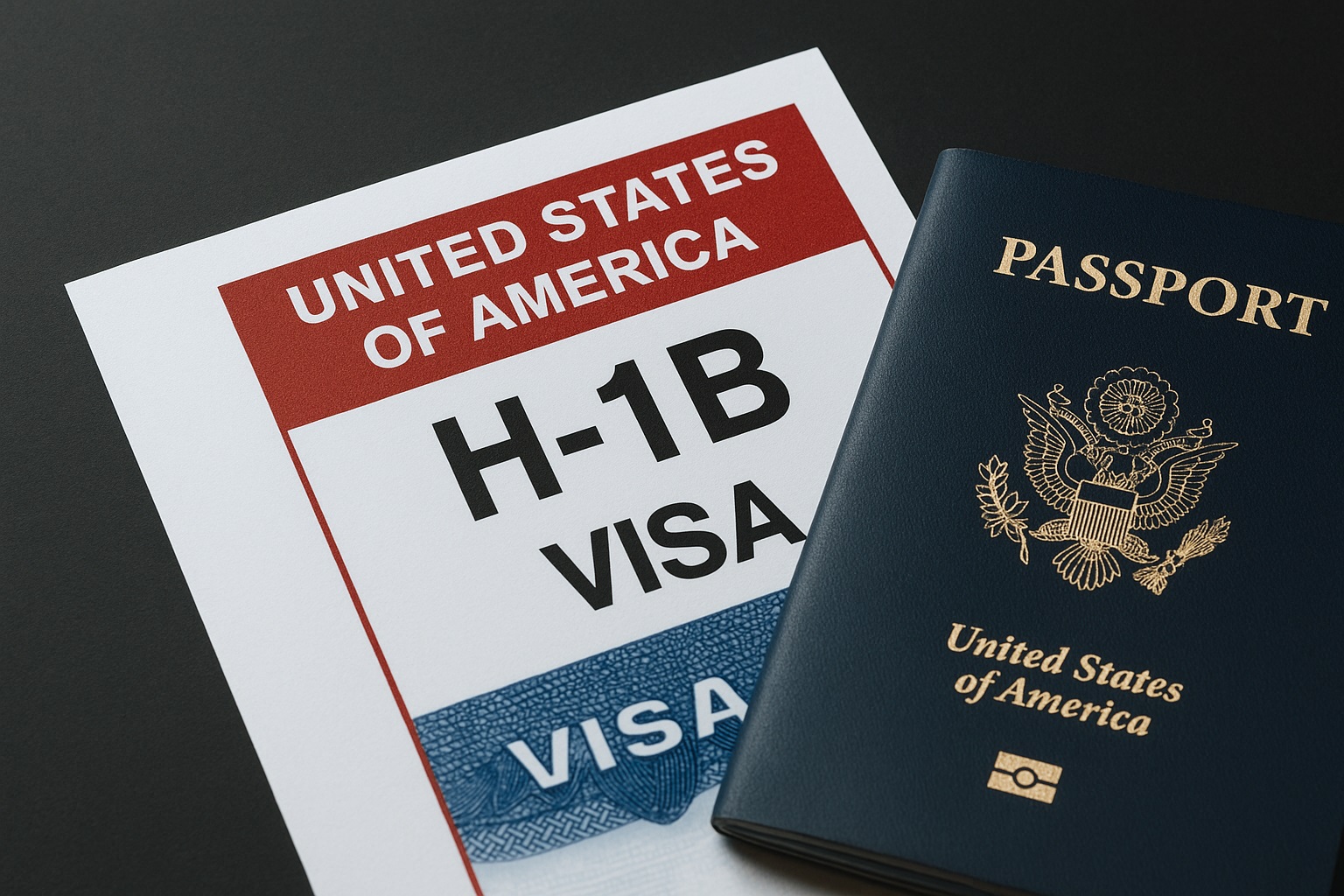
By In a sweeping move likely to reshape the U.S. employment-visa landscape, President Donald Trump has signed a proclamation mandating a $100,000 annual fee per H-1B visa application. The policy, part of a broader crackdown on legal immigration, takes effect as of September 21, 2025, and aims to curb what the administration describes as abuses of the H-1B system.
The price jumped from $1,000 to $100,000. China and India are most affected and they accounted for about 70% of the beneficiaries, according to media reports.
What the New Policy Requires
Companies sponsoring foreign workers under the H-1B visa must now include an additional $100,000 payment with their petition.
The entry into the United States is restricted for H-1B workers unless this fee is paid, except where a national interest exception applies.
The regulation provides authorities (Department of Homeland Security and State Department) with responsibility for verifying payment, and gives them discretion to grant waivers or exceptions in certain cases deemed in the U.S. national interest.
Administration’s Rationale
According to the White House fact sheets and statements: The move is designed to discourage misuse of the H-1B program, which officials claim has displaced U.S. workers, reduced wage standards, and allowed companies to rely too heavily on foreign labor in roles that could be filled domestically.
The fee hike is part of a larger immigration overhaul, including efforts to increase prevailing wage requirements and to reshape how nonimmigrant work visas are awarded.
Immediate Impacts & Reactions
The sudden nature of implementation, with the fee requirement taking effect just a day after announcement, has drawn criticism for lacking sufficient transition time.
Tech companies, especially those in India and other countries that supply large numbers of H-1B workers, are among the most affected. Internal advisories from firms like Microsoft, Amazon, and JPMorgan are urging visa-holders to return to or remain in the U.S. before the rule takes effect.
Industry groups warn the high fee could severely limit access to the U.S. for skilled foreign talent, push up costs for employers, and prompt some work to shift overseas.
Potential Legal and Policy Questions
Legal observers note potential issues with whether the executive branch has authority to impose such a large fee without Congress or without rulemaking with public notice.
There may also be challenges on grounds that the fee discriminates against less-wealthy applicants or smaller businesses.
Another concern is timing: confusion over whether currently approved or pending petitions are affected, how the fee will be collected, and what constitutes a “national interest exception.”
Broader Implications
For the U.S. tech sector and STEM industries, this could mean fewer foreign workers, higher labour costs, and possibly slower innovation if talent is discouraged from applying.
For aspiring immigrant workers, especially from countries like India which provide a large number of H-1B visa holders, opportunities may shrink and uncertainty increase.
The policy seems aligned with the Trump administration’s “America First” rhetoric emphasizing protection for domestic workers and tighter control over immigration.
Trump’s new $100,000 fee for H-1B visas represents one of the most dramatic changes to U.S. skilled-worker immigration policy in recent decades. Whether it will achieve its stated goals of protecting American workers and reducing abuse, without damaging U.S. competitiveness or creating unintended consequences, remains to be seen. For employers, prospective visa holders, and the global tech ecosystem, the next few months will be critical in assessing how this policy unfolds in practice.
At the same time, the administration rolled out the long-anticipated Trump Gold Card, a premium membership program marketed as offering exclusive perks and symbolic of Trump’s broader strategy of intertwining politics, business, and personal branding. The dual announcements underscore both the administration’s hardline approach to immigration and Trump’s continued flair for high-profile, attention-grabbing launches.