

 By
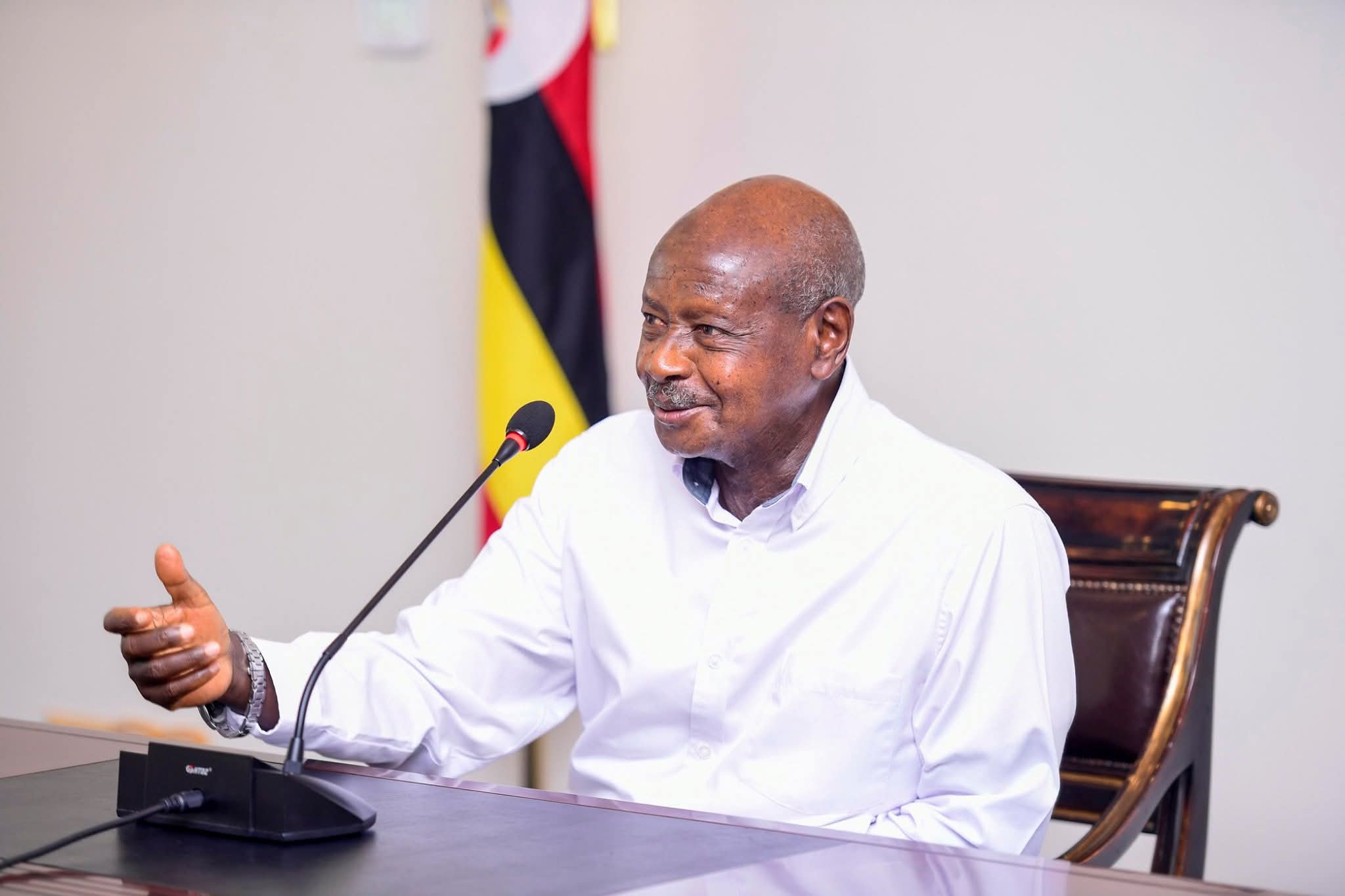
By President Yoweri Kaguta Museveni has clarified Uganda’s position on the proposed Protection of Sovereignty Bill, emphasizing that the legislation is intended to safeguard the country’s independence in decision-making while preserving the nation’s open economic policy and investment climate. His recent statement comes amid public debate and concern over the Bill’s possible implications for foreign investment, remittances, and private enterprise.
The President stressed that Uganda remains committed to a free-market economy where citizens and businesses are free to receive and transfer money legally across borders. He clarified that the Bill was never designed to interfere with diaspora remittances, foreign direct investment, church support from abroad, or legitimate private financial flows. According to Museveni, these economic freedoms remain central to Uganda’s growth and socio-economic transformation.
━━━━━━━━━━━━━━━━━━
Core Message
President Museveni’s central message is that Uganda remains open for business, committed to economic freedom, and determined to protect its sovereignty. The proposed legislation, he says, is intended to defend Uganda’s independent policy-making while maintaining an environment that supports investment, private enterprise, and national progress.
━━━━━━━━━━━━━━━━━━
A major concern raised by the public was the possibility that the Bill could restrict private enterprise and discourage investment. In response, President Museveni reaffirmed that Uganda’s vibrant private sector remains a cornerstone of the country’s economic resilience. He noted that the proposed law should focus strictly on protecting Uganda’s policy independence from external interference, rather than creating barriers for businesses or financial institutions.
The President also underscored the principle of national sovereignty, describing it as the right of Ugandans to determine their own political, social, economic, and diplomatic direction through constitutional processes such as elections and referendums. He argued that the Bill seeks to ensure that national decisions are shaped by Uganda’s democratic institutions and not by foreign influence or external pressure.
Drawing from Africa’s history, Museveni said the protection of sovereignty is rooted in the continent’s long struggle for self-determination and freedom from colonial domination. He emphasized that safeguarding Uganda’s independence is essential for long-term stability and national development.
At the same time, the President acknowledged concerns raised by different stakeholders and directed that the Bill be reviewed and refined to eliminate ambiguity. Parliament has since considered amendments aimed at clarifying its scope and ensuring it does not negatively affect ordinary Ugandans, investors, or Ugandans living abroad.