
 By
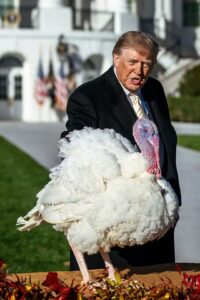
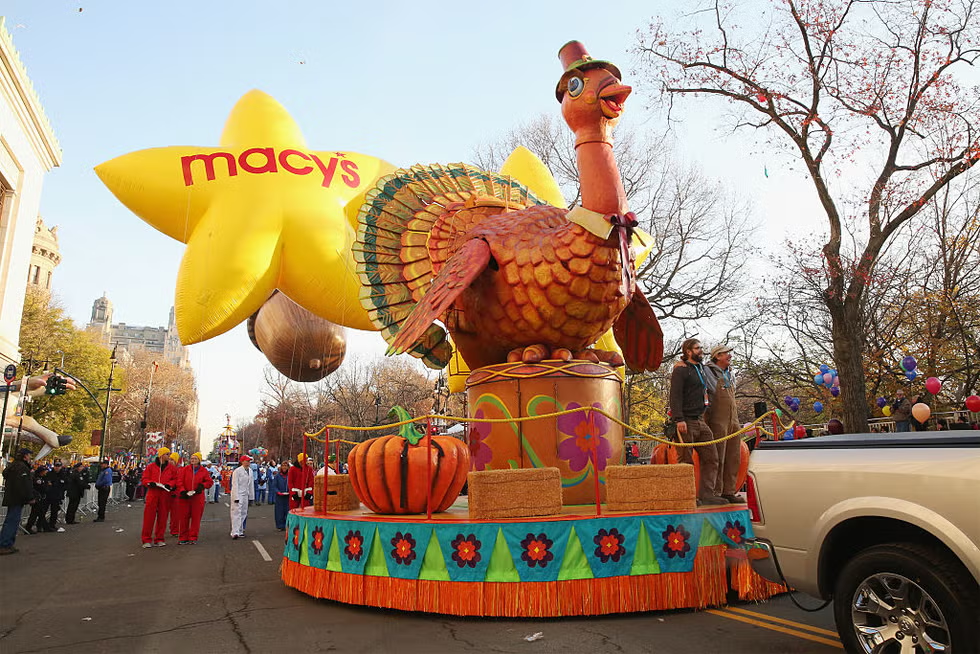
Every fourth Thursday in November, the United States commemorates a holiday tradition that brings together family, friends and communities in celebration of gratitude, togetherness and the American spirit. Known as Thanksgiving, the occasion is marked by family reunions, elaborate meals, parades and expressions of appreciation for life’s blessings.

Behind the centuries-old tradition is the determination of a woman, Sarah Josepha Hale, an American writer and magazine editor who campaigned for more than three decades to have Thanksgiving recognised as a national holiday. Hale, who also authored the famous nursery rhyme Mary Had a Little Lamb, spent years writing editorials and appealing to political leaders to establish a single day when Americans across the country could celebrate together.
Her campaign finally gained momentum in 1863 when she wrote to President Abraham Lincoln, urging him to proclaim a national Thanksgiving Day. At the time, America was engulfed in the Civil War, with the country deeply divided. On October 3, 1863, Lincoln issued a proclamation designating the last Thursday of November as a day of thanksgiving and prayer, calling on Americans to seek healing, peace and national unity.
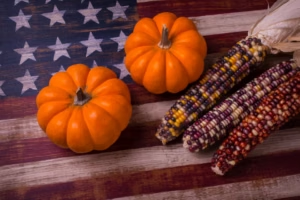
Although Thanksgiving observances had existed long before Lincoln’s proclamation, his declaration helped establish the annual national tradition. The date was later standardised by Congress in 1941 as the fourth Thursday of November.
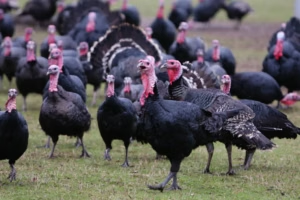
Today, Thanksgiving is among America’s most widely observed holidays, with millions travelling to spend time with loved ones. Traditional tables are filled with roast turkey, mashed potatoes, stuffing, cranberry sauce and pumpkin pie, while parades, American football games and community charitable activities add to the celebrations. Beyond the food and festivities, the holiday remains a reminder of the importance of gratitude, family and coming together, even in times of division.