

 By
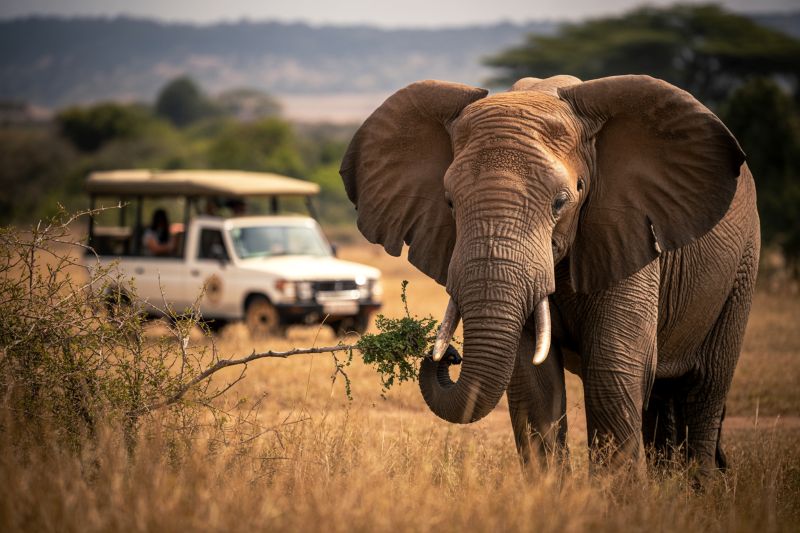
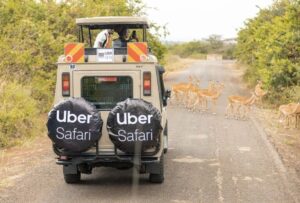
By In a bold move that blends modern convenience with East Africa’s rich wildlife heritage, Uber Technologies Inc., an American multinational company that provides rides, courier, freight and food deliveries services, has launched Uber Safari in Kenya, enabling people to book guided game drives inside Nairobi National Park through the Uber app. The service offers both day and night tours, bringing wildlife tourism closer to urban travellers.
What is Uber Safari?
The trips are three hours long, with day and night safari options available.
Day safaris cost around KSh 25,000 (about UGX 700,000) for up to seven people; night safaris cost KSh 40,000 for smaller groups (about five people)
Bookings must be made in advance, two days for daytime tours, five days for night ones.
Uber is partnering with licensed local safari operators, Kenya Wildlife Service, and regulatory authorities to ensure the new venture follows tourism and environmental rules.
Implications for Uganda
Uganda, like Kenya, is endowed with spectacular wildlife tourism resources. From Bwindi Impenetrable Forest with mountain gorillas, to Murchison Falls, Queen Elizabeth Park, Kidepo Valley, and more, there is abundant opportunity. The Uber Safari model raises both possibilities and challenges for Uganda’s tourism sector.
Opportunities:
Improved Access and Convenience
Tourists, especially those arriving in Kampala for business or short stays, could benefit from safari experiences without having to travel far. Uber or similar platforms could enable shorter, domesticated safari expeditions (e.g. around Lake Mburo, or possibly smaller conservancies near Kampala).
New Partnerships for Local Tour Operators
Licensed guides and operators could become partners to ride‐hailing or technology platforms. This opens new channels of demand, especially for day‐trippers, corporate travellers or domestic tourism.
Boost for Domestic Tourism
Ugandans themselves may embrace more safari‐style wildlife experiences if they become more accessible, affordable and easier to book. This could increase foot traffic to parks, promote local spending on lodges, guides, and related services.
Technology
With the right frameworks, technology platforms can help enforce standards, ticketing, tracking visitor numbers, collecting feedback—all of which could support conservation efforts and enhance the visitor experience.

Challenges & Risks:
Environmental Impact and Overtourism
Increased tourism can stress parks, such as traffic, disturbance to wildlife, erosion, litter, etc, if not well managed. In Kenya, there are already fears of “selfie safaris” or superficial wildlife drives that may not respect ecological or ethical standards.
Regulation, Safety & Quality Control
Ensuring that safari vehicles are safe, that guides are trained, that operations follow conservation and park laws, and that wildlife is respected. Without regulation, there is risk of degrading the premium safari experience.
Price and Access Equity
Uber Safari’s prices are relatively high and may exclude many local tourists unless special pricing or domestic‐focused variants are offered. Also, for those far from major cities, travelling time and costs may still be prohibitive.
Displacement of Existing Providers
Traditional safari operators, smaller lodges, local guides, and community‐based tourism initiatives might be disrupted if tech platforms dominate and consolidate demand.
What Uganda Could Do
Pilot similar service models, perhaps starting near Kampala or in park areas close to the city; adapt the model to Ugandan parks and geography.
Integrate ride‐hailing apps with tourism licensing and guidance authorities, ensuring regulations are in place for guide licensing, vehicle standards, visitor safety.
Offer differentiated packages, including “light” safaris for short stays, and premium immersive experiences for longer travellers.
Ensure community involvement and benefit sharing, so local communities around parks see more direct benefit.
Promote domestic tourism by offering promotions, lower rates for Ugandans, school excursions, etc.