

 By
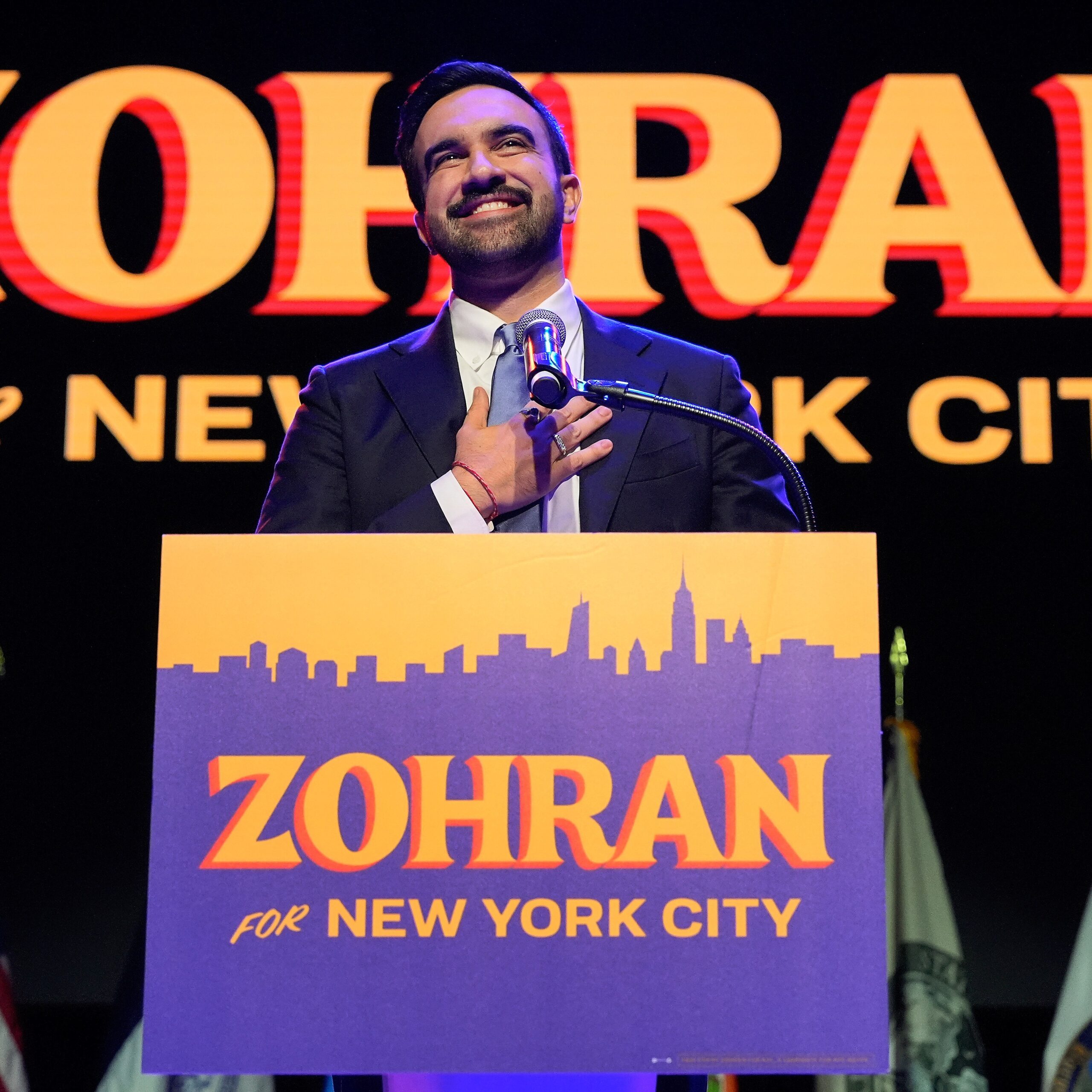
By Zohran Kwame Mamdani — born in Kampala, Uganda to parents of Indian descent — has officially won the mayoral race of New York City, America’s largest city with an estimated population of 8.8 million residents. Los Angeles and Chicago follow as the second and third largest cities respectively. His historic win makes him New York City’s first Muslim mayor and the youngest to hold the office in over a century.
Mamdani, 34, moved to New York at the age of seven. From his early days appearing briefly as a rapper in the film Queen of Katwe to becoming one of the most influential political leaders in the world’s financial capital, his story reads like a Hollywood script. He rose through the ranks as a progressive leader representing Queens in the New York State Assembly, advocating for working-class communities.
His campaign focused on tackling New York’s affordability crisis. His pledges include free citywide bus services, universal childcare for children aged six weeks to five years, rent freezes on all rent-stabilized apartments, expanded public housing, and city-owned supermarkets to ensure affordable food access. To fund these initiatives, he proposed higher taxes on the top 1% and large corporations. His campaign drew strong support from progressive figures such as Senator Bernie Sanders and Congresswoman Alexandria Ocasio-Cortez and relied heavily on grassroots mobilization and social media outreach.
Notably, Mamdani becomes a Muslim mayor of a city that has the largest Jewish population outside of Jerusalem and Tel Aviv — a symbolic moment for interfaith leadership in a diverse metropolis.

What This Win Means for Ugandans
Mamdani’s victory is being celebrated by Ugandans worldwide. It adds to a growing list of Ugandan success stories on the global stage, alongside figures like Winnie Byanyima, Executive Director of UNAIDS, and Justice Julia Sebutinde of the International Court of Justice. His journey from Kampala to Queens to leading a city of 8.8 million people has become a symbol of hope, ambition, and resilience.
For Uganda’s youth and diaspora, his story proves that one’s origins do not define one’s destiny. It inspires conversations around leadership, courage, and representation. Ugandan communities abroad, especially in the U.S., are using this moment to strengthen cultural ties, mentorship programs, and international collaborations.
Global Significance
Mamdani’s victory goes beyond personal achievement — it is a milestone in global politics, migration history, and representation. As a Ugandan-born, Muslim immigrant at the helm of the most influential city in the United States, he highlights the power of diversity and the impact of diaspora communities.
His progressive agenda may spark dialogue in Uganda about urban planning, public transport, social welfare, housing policy, and inclusive governance — issues that mirror challenges in Uganda’s growing urban centers.
This is more than a political win — it is a story of identity, possibility, and global inspiration. And for many Ugandans, it is a reminder that their voices and stories can echo far beyond their borders.