
 By
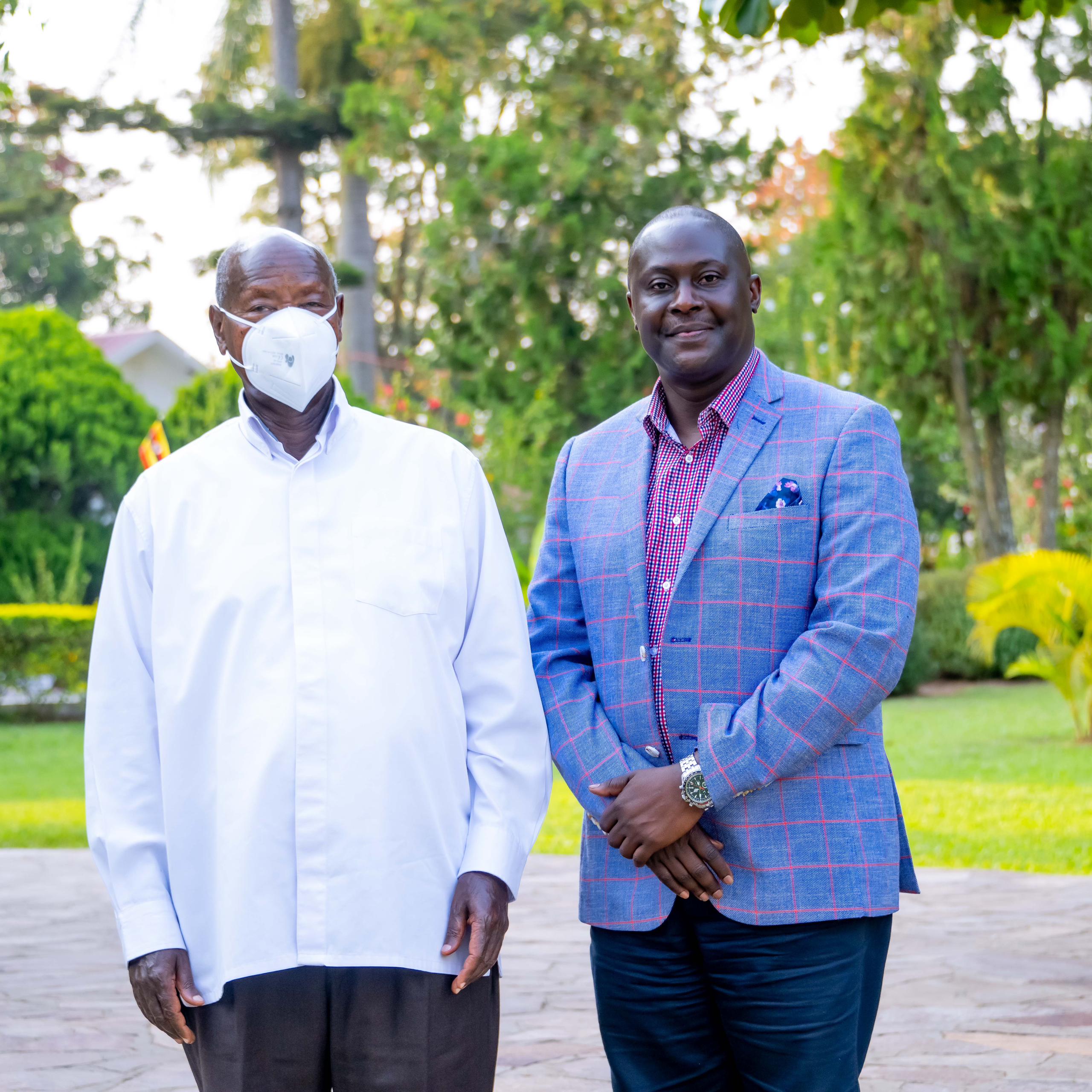
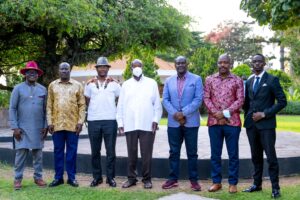
On 8 January 2025, I was invited to join a delegation of Canadian community members as the organiser of the Uganda Canada Convention for a visit to the President’s country home in Rwakitura.
During the meeting, I had the pleasure of presenting some of the Uganda Canada Convention’s achievements over the years and discussing the need for government support to strengthen diaspora engagement and relations between Uganda, Canada and the wider diaspora community.
My presentation focused on six areas: support for the Uganda Canada Convention, the Uganda Diaspora Homecoming Awards Gala now in its 16th year, support for the Uganda diaspora news portal, the establishment of a database to help identify and connect Ugandan professionals and expatriates around the world, a proposed Uganda Diaspora Community Fund to support Ugandans, particularly those in need of assistance and reintegration when they return home to Uganda, and diaspora voting rights for Ugandans living abroad.
These initiatives reflected years of hard work, investment and relationship-building aimed at creating platforms through which Ugandans abroad could remain connected to their mother country, explore business opportunities, and contribute to national development back home.
1. Support for the Uganda Canada Convention
The Uganda Canada Convention was established to bring Ugandans in Canada together while promoting cultural exchange, business networking, trade, tourism and investment opportunities.
By the time we made our visit to Rwakitura, the Uganda Canada Convention had a track record spanning eight years and had organised eight successful events held at premium hotels in Canada, across four provinces. We invested considerable time, money and social capital in building the brand, establishing its credibility and cultivating relationships with institutions and stakeholders in both Uganda and Canada.
Throughout this period, we relied on our personal resources, registration fees and sponsorships to fund the Conventions, all without government support.
Our business expos provided a platform for exploring partnerships in trade, tourism, real estate, immigration, education, diaspora money transfer and investment. They also encouraged Ugandan and Canadian tour operators and travel agents to explore synergies in tourism and travel between Uganda and Canada.
Our Convention’s achievements extended beyond organising events. Our business expos and related engagements have included participation and support from institutions and stakeholders in Uganda and Canada. Our events have attracted senior Ugandan government officials, including former Vice President Edward Kiwanuka Ssekandi, former Speaker of Parliament Rebecca Kadaga, Deputy Speaker Thomas Tayebwa and former Leader of the Opposition Mathias Mpuuga.
We have also engaged with the mayors’ offices in both Ottawa and Toronto, where proclamations were made in honour of Uganda. Other engagements included building synergies with Ottawa Tourism and bodies responsible for promoting trade in Toronto.
Our institutional connections have also included the Aga Khan Foundation in Toronto, where we hosted a reception for Uganda at the Aga Khan Museum in Toronto, the Canada Black Chamber of Commerce, the Canada Coffee Association, the Canada Trade Office in Nairobi, the Association of Canadian Travel Agencies and Canadian tour associations.
These connections required sustained effort, planning and relationship-building. We invested time, resources and social capital in creating synergies between institutions and communities in Uganda and Canada. During the COVID-19 pandemic, we also worked with Satguri Travel to repatriate Ugandan students who were stranded abroad and helped secure funding to ship oxygen concentrators to Uganda.
Our initiatives also included the first Afrigo Canada Tour, which saw us fly the band to Edmonton and Toronto. This was an important cultural undertaking that helped bring Ugandan music and heritage to the Ugandan diaspora community in Canada.
Our initiatives also included organising the first-ever Uganda Tourism Roadshow in Toronto and Ottawa in conjunction with the Uganda Tourism Board (UTB). The roadshow featured the former UTB Board Chairperson, Mrs Susan Muhwezi, and established a connection with Vox International, a leading public relations and tourism firm in North America. The roadshow provided an opportunity to promote Uganda as a tourism destination to audiences in Canada and strengthen connections between Uganda’s tourism sector and the diaspora community.
Through our keynote speakers and Canadian professionals, we brought in guests such as Canadian Citizenship Judge Rochelle Ivri to speak on topics such as the path to citizenship in Canada.
Our Convention in Toronto also brought in guests such as Dr Lawrence Muganga, now Vice-Chancellor of Victoria University, to address the Ugandan diaspora in Toronto. Following the Convention, the then Vice President, Edward Kiwanuka Ssekandi, encouraged him to return to Uganda and contribute to the education sector. These engagements demonstrated how the Convention could connect people, ideas and opportunities across borders.
Other speakers have included Dr Opiyo Oloya, Vice-Chancellor of Western University; Andrea Pearce, inaugural Executive Director of the Black Entrepreneur Knowledge Hub at Carleton University; Moses Mawa of Afro Global Television; Susan Namulindwa of the Africa Trade Desk; and other notable Ugandans.
Our model also sought to unite the community through the first interdenominational church services we organised. The interfaith leadership series brought together pastors, religious leaders and community leaders such as Rev. Eddy Jumba, Rev. Joseph Kirya, Rev. Robert Kazibwe and Father Martin, a chaplain in Ottawa’s Catholic community. Their support contributed to our efforts to bring the community together through faith, shared initiatives and diaspora engagement.
Our event model included a B2B Friday with government stakeholders, a community business breakfast that addressed immigration, citizenship and local community needs, a boat cruise, community picnics, interfaith church services and a cultural gala dinner as the crowning event. These activities provided opportunities for business networking, dialogue with government representatives, cultural exchange and community building, while giving many Ugandans an opportunity to connect with their heritage away from home.
During the Rwakitura meeting, after my presentation, I requested financial support to help offset the Convention costs and budget, since we had largely funded it out of pocket for the past eight years.
In his response, His Excellency pledged US$100,000 towards the Uganda Canada Convention, which we are yet to receive. This commitment was intended to support the Convention’s work and help meet its event expenses.
2. The Diaspora Homecoming Awards Gala
The second area of my presentation was the Diaspora Homecoming Awards Gala, which formed part of our vision to create opportunities for Ugandans abroad to reconnect with their country and engage meaningfully in its development. I shared with H.E. that the initiative was started, in part, to attract and celebrate the success stories of Ugandans living abroad.
Through business breakfasts, exhibitions, cultural activities and networking sessions, we sought to connect diaspora communities with government representatives, entrepreneurs, stakeholders and potential business partners.
The experience of organising the Uganda Canada Convention demonstrated the value of combining cultural identity with practical opportunities for investment and cooperation. The Diaspora Homecoming was intended to build on this experience and create further opportunities for Ugandans abroad to contribute their skills, networks and resources to Uganda.
3. A Diaspora News Portal
The third area focused on expanding our diaspora news portal to provide Ugandans abroad with reliable information about developments in Uganda, investment opportunities, business, tourism and matters affecting citizens living overseas. This piqued the President’s interest, and he wanted us to also engage with his presidential media team to help market and promote Uganda’s image abroad.
A dedicated digital platform could also showcase the achievements of Ugandans abroad and maintain connections between diaspora communities and their country of origin throughout the year.
4. A Database of Ugandan Expatriates
The fourth proposal was to establish a database that could help identify and connect with Ugandan expatriates, including doctors, engineers, academics, researchers, entrepreneurs and other professionals whose expertise could contribute to national development.
Such a database could help institutions identify skilled Ugandans abroad, facilitate professional networking and connect expertise with relevant opportunities.
Together, the news portal and database would complement physical gatherings by improving communication and making diaspora engagement more organised and purposeful.
In our wider diaspora work, we also engaged with the International Organization for Migration (IOM) offices in Nairobi and Washington to address labour migration concerns. This work reflected our interest in the challenges Ugandans may face while living abroad.
5. The Proposed Uganda Diaspora Community Fund
The fifth proposal was the need for a Uganda Diaspora Community Fund to support Ugandans facing difficult circumstances, particularly those who need assistance to relocate or repatriate to Uganda. The proposal recognised that some Ugandans abroad may encounter situations in which returning home or securing appropriate assistance becomes difficult without institutional support.
In response, President Museveni pledged US$4 million towards the proposed Diaspora Fund. However, with technical staff from the Ministry of Foreign Affairs (MoFA) absent, further follow-up was needed to facilitate the implementation of the proposal.
6. Diaspora Voting Rights
Our past efforts have included advocating for the passing of the dual citizenship law and access to national identity cards for the diaspora community. As part of my final discussion with H.E., I proposed that Ugandans living abroad be granted voting rights, recognising their contributions to the national economy. I proposed that voting be facilitated through Ugandan embassies and missions abroad. In response, H.E. pledged to bring the matter before Cabinet for further consideration.
The six areas formed part of the broader vision I presented at Rwakitura, highlighting how Kenya and Ethiopia, through their dedicated diaspora affairs portfolios, have been able to deliver for their diaspora communities.
Alongside these proposals, the meeting also addressed support for a proposed umbrella association intended to bring together associations of Ugandans in Canada, towards which a pledge of US$50,000 was made.
In summary, the US$100,000 presidential pledge was made towards the Uganda Canada Convention, while a separate US$50,000 was pledged towards the proposed umbrella association, NAUCA, intended to bring together associations of Ugandans in Canada. These were separate commitments intended to support different initiatives.
Although the Uganda Canada Convention is a fully registered community organisation in Canada, it had never received a formal invitation to attend or participate in the activities of the proposed umbrella association, including its recent gathering. This is despite the Convention having organised eight successful events in three Canadian cities and invested considerable resources in bringing Ugandans together and strengthening Uganda-Canada relations.
We believe that cooperation among diaspora organisations should be accompanied by transparency, inclusion and recognition of each organisation’s contributions, effort and hard work. The Convention organising committee remains open to constructive engagement with other diaspora organisations and supports efforts to strengthen collaboration among Ugandans abroad.
Our Convention remains non-partisan and has laid a foundation on which others are now building. The connections cultivated through our events demonstrate the potential of diaspora initiatives to support business, tourism, cultural exchange and cooperation between Uganda and Canada.
We welcome efforts to build on this foundation and recognise the time, effort and resources it took to get here.
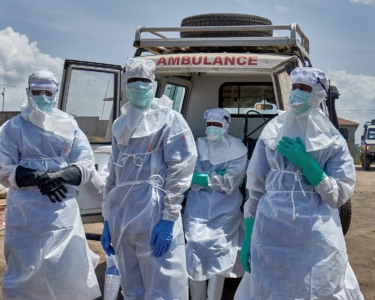
Our Convention returns next summer following the lifting of the Ebola travel restrictions. For more information, visit www.ugandacanadaconvention.org.
Ultimately, diaspora engagement is strongest when organisations work together, respect one another’s contributions and build on existing achievements. We remain committed to strengthening the relationship between Uganda and Canada through business, tourism, culture, communication and meaningful engagement with Ugandans living abroad.
Yours sincerely,
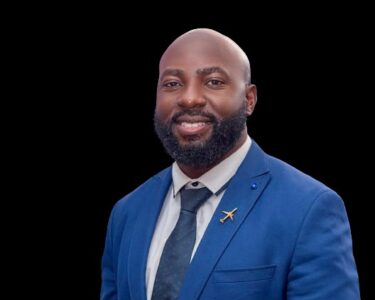
Ronnie Mayanja
Founder, Uganda Diaspora Network
Founder, Uganda Canada Convention
Founder, Uganda Diaspora News
Founder, Diaspora Homecoming Awards Gala
Media and Diaspora Consultant with over 25 years of experience