
 By
By What Ugandans in the Diaspora Should Know Before Sending Money Home
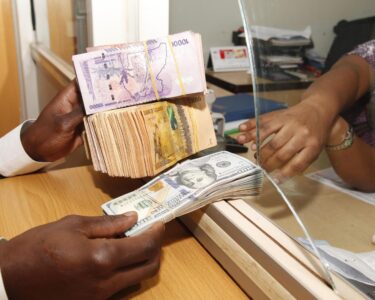
For Ugandans living abroad, a weakening shilling may mean more money for relatives back home when dollars or pounds are exchanged. However, rising prices could quickly erode that benefit.

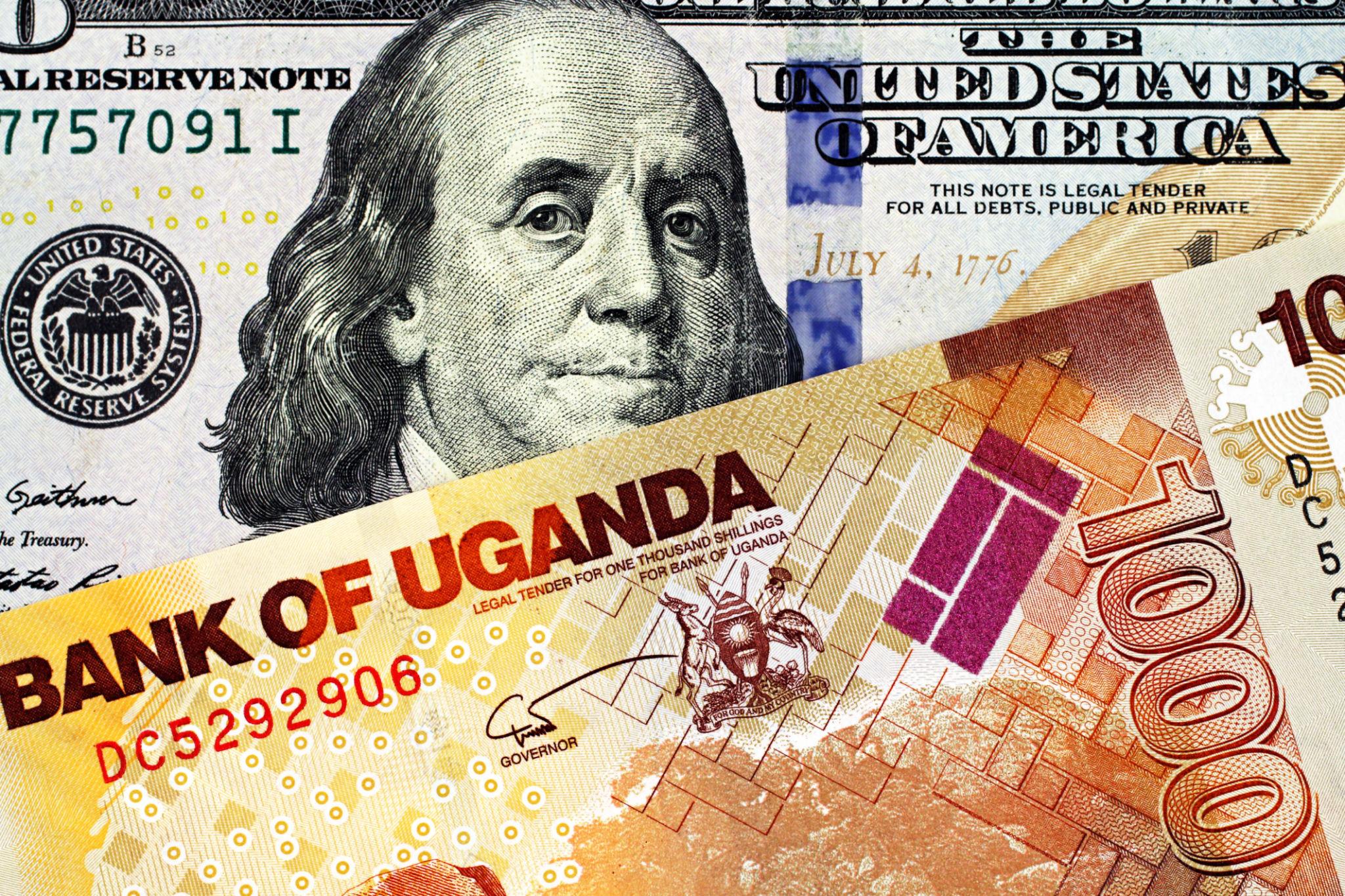
The Bank of Uganda (BOU) recently raised its benchmark interest rate from 9.75 per cent to 12 per cent in response to inflation risks and pressure on the shilling. The move comes as the US dollar trades above Shs4,000, raising concerns about the cost of living and the wider economy.
Recently, Minister of State for Finance Amos Lugoloobi said the government would assess the causes and likely duration of the pressure before deciding on further interventions. The government has also expressed reservations about broad fuel subsidies and artificial support for the currency.
For diaspora families paying school fees, supporting parents or financing construction, the exchange-rate movement presents both an opportunity and a challenge. More shillings may arrive, but rising costs of fuel, transport, food and imported goods could reduce their purchasing power.
Remittances remain vital to Uganda’s economy. The International Fund for Agricultural Development (IFAD) reported that inflows reached US$2.5 billion in 2025, equivalent to about 3.8 per cent of the country’s gross domestic product.
For Ugandans abroad, the key is to look beyond the exchange rate and consider what the money will actually cover. Comparing the final amount recipients receive, confirming transfer charges and prioritising essential expenses can help families make the most of every transfer.
A weaker shilling may increase the value of money sent home in local currency, but it does not automatically make families better off. Ultimately, the benefit depends on how far those shillings can go.