
 By
US President Donald Trump’s Republican Party has suffered a sweeping defeat in the midterm elections, with Democrats reclaiming control of both chambers of Congress in a major repudiation of the president’s leadership and performance.
The November 3 elections saw Democrats make significant gains across the country, including traditionally Republican strongholds, ahead of the 2028 presidential election.


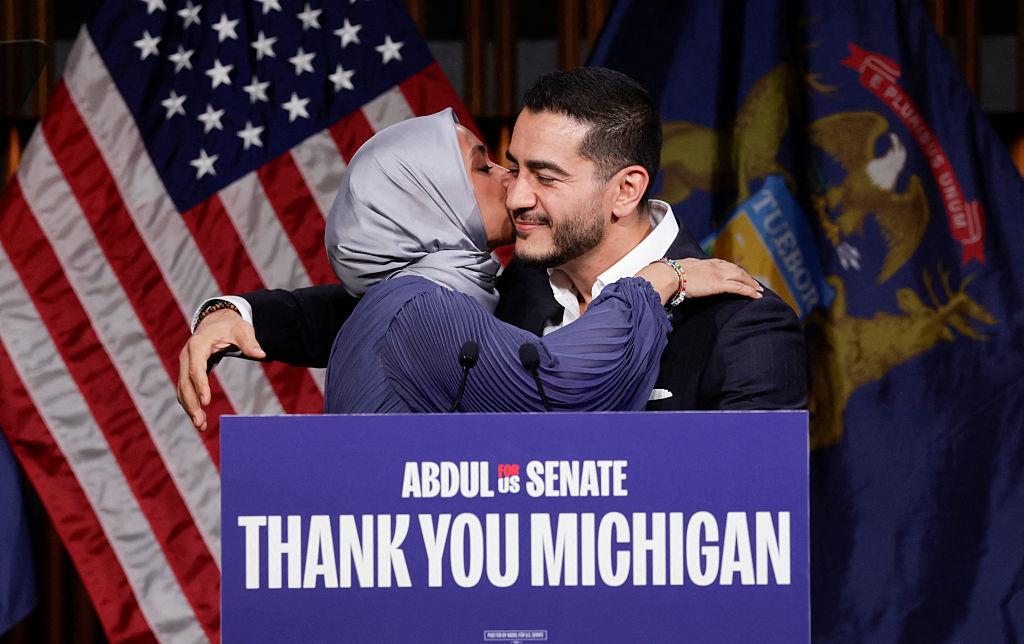
Michigan elected Democrat Abdul El-Sayed, the son of Egyptian immigrants, as the first Muslim American to serve in the US Senate. His victory in the crucial swing state followed historic Democratic wins in Texas, where former Presbyterian seminarian James Talarico won the Senate race and Gina Hinojosa defeated Republican Governor Greg Abbott.
The results reflected growing voter dissatisfaction with the administration, particularly over rising petrol prices, groceries, healthcare costs and the cost of living. Trump sought to distance himself from the losses, declaring: “I wasn’t on the Ballot and if I was, we would have won IN A LANDSLIDE!”
However, Vice President JD Vance offered a more candid assessment of the defeat, identifying four concerns among voters who abandoned Republicans: ending the war in Iran, addressing the cost of living and inflation, putting America first, and changing the US relationship with Israel.
US support for Israel amid the devastation in Gaza also contributed to voter dissatisfaction, particularly among Democrats and progressive voters calling for a change in Washington’s Middle East policy.
For some voters, particularly those opposed to Washington’s continued support for Israel amid the destruction in Gaza, the election became a rejection of what they described as the “great betrayal” of America’s promises to put its own interests and citizens first.

The Democratic victory is expected to constrain Trump’s legislative agenda and increase congressional scrutiny of his administration. The results have also intensified questions about the Republican Party’s political direction and its prospects in 2028.
The midterms have delivered a clear warning to Trump: voters who helped return him to power in 2024 were willing to turn against his party over the economy, foreign policy and the administration’s priorities.