
 By
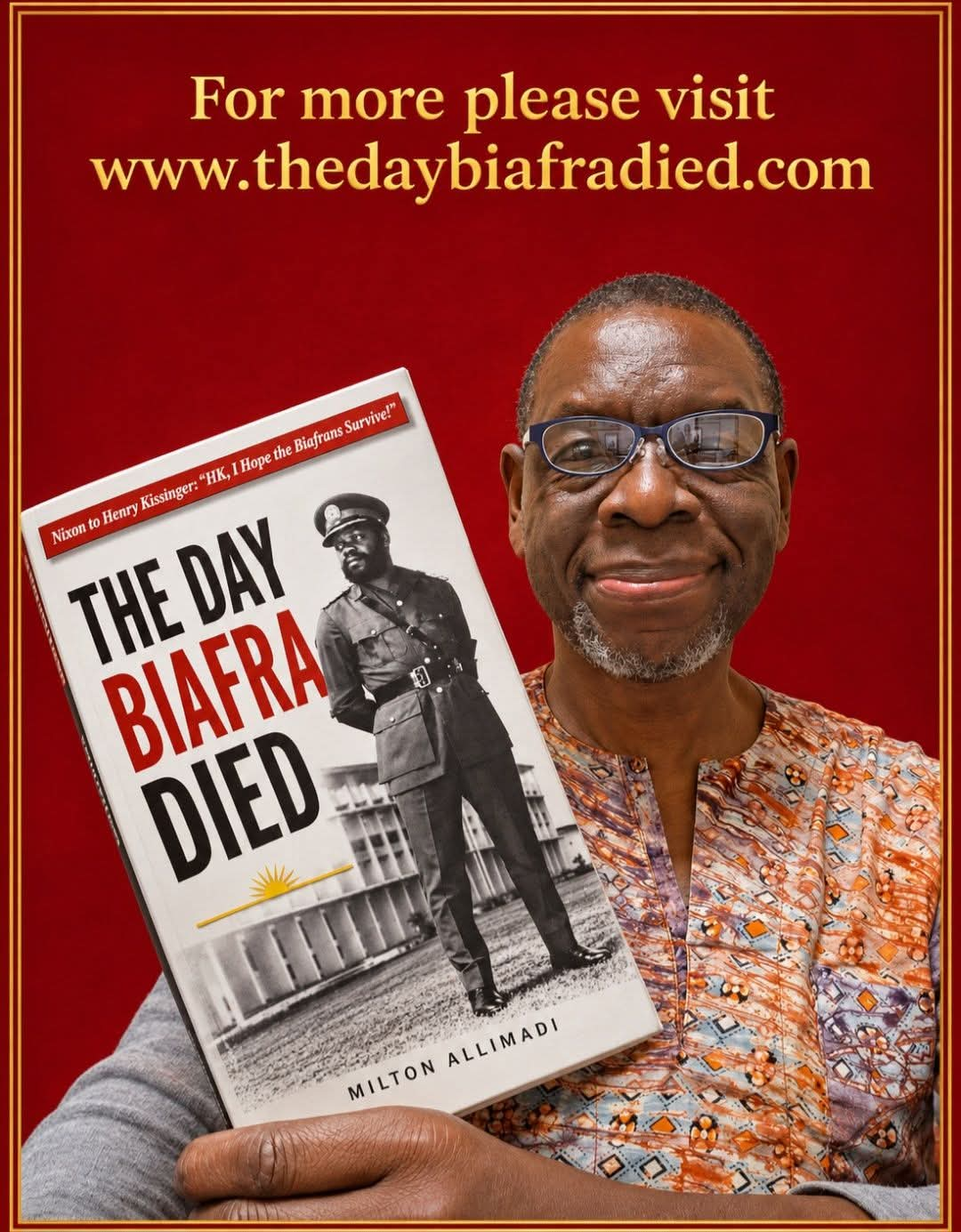
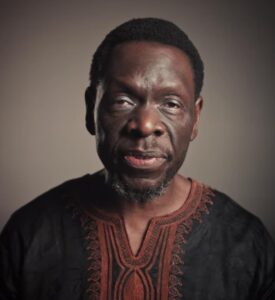
Milton Allimadi, son of the late Erifasi Otema Allimadi, Uganda’s former Prime Minister and veteran politician, brings an African perspective to a deeply consequential chapter of the continent’s history. In The Day Biafra Died, published by Black Star Books in September 2026, the Ugandan-born journalist and author revisits one of Africa’s most devastating conflicts through the lens of journalism, international diplomacy and political decision-making.
The Nigerian Civil War, fought between 1967 and 1970, followed years of political instability, military coups and violence against Igbo people. The declaration of the independent Republic of Biafra in May 1967 led to a 30-month war. A federal blockade contributed to a devastating famine, with estimates of civilian deaths varying widely. The conflict ended in January 1970 with Biafra’s surrender and Nigeria’s declaration of “no victor, no vanquished”.
Allimadi examines this history through archival material, including correspondence involving New York Times correspondent Lloyd Garrison and records from the Nixon White House and US State Department. He argues that American policy towards the conflict shifted significantly in 1969, creating a possible diplomatic opening for Biafra.
The book gives particular attention to President Richard Nixon’s efforts to influence the parties towards ending the war and resuming humanitarian relief flights. Allimadi suggests that Biafran leader Chukwuemeka Odumegwu Ojukwu’s handling of the American initiative, including his public criticism of Washington, weakened the prospects for a diplomatic breakthrough.
The historical records confirm that Nixon sought to change Washington’s approach, increase pressure on Britain and encourage France to support humanitarian efforts. They also document disagreements over the proposed relief arrangements. Whether these developments could have led to formal American recognition of Biafra remains uncertain. Allimadi’s argument raises an important historical question rather than establishing what would have happened under different political decisions.
The book also draws attention to the responsibility of journalists reporting during wartime. Through the story of Garrison, it explores what reporters knew, what they communicated and the influence journalism could have on public understanding and international responses to a humanitarian crisis.
The subject remains significant because the Biafran War was not simply a struggle over territory. It exposed the human cost of political exclusion, competing national interests and the limitations of international intervention. Its legacy continues to shape discussions about identity, national unity and the place of the Igbo people in Nigeria.
The Day Biafra Died offers a perspective on a painful chapter of African history by directing attention to the political decisions, diplomatic calculations and journalistic responsibilities surrounding the conflict. It invites readers to reconsider how leadership choices and international interests can influence the fate of a people.