
 By
By Just weeks ago, Uganda was celebrating what many in the tourism industry described as one of its most successful tourism showcases in recent years. POATE 2026 attracted international buyers, exhibitors, investors and travel professionals from around the world, reinforcing Uganda’s position as the “Pearl of Africa” and signaling a promising year for tourism growth.
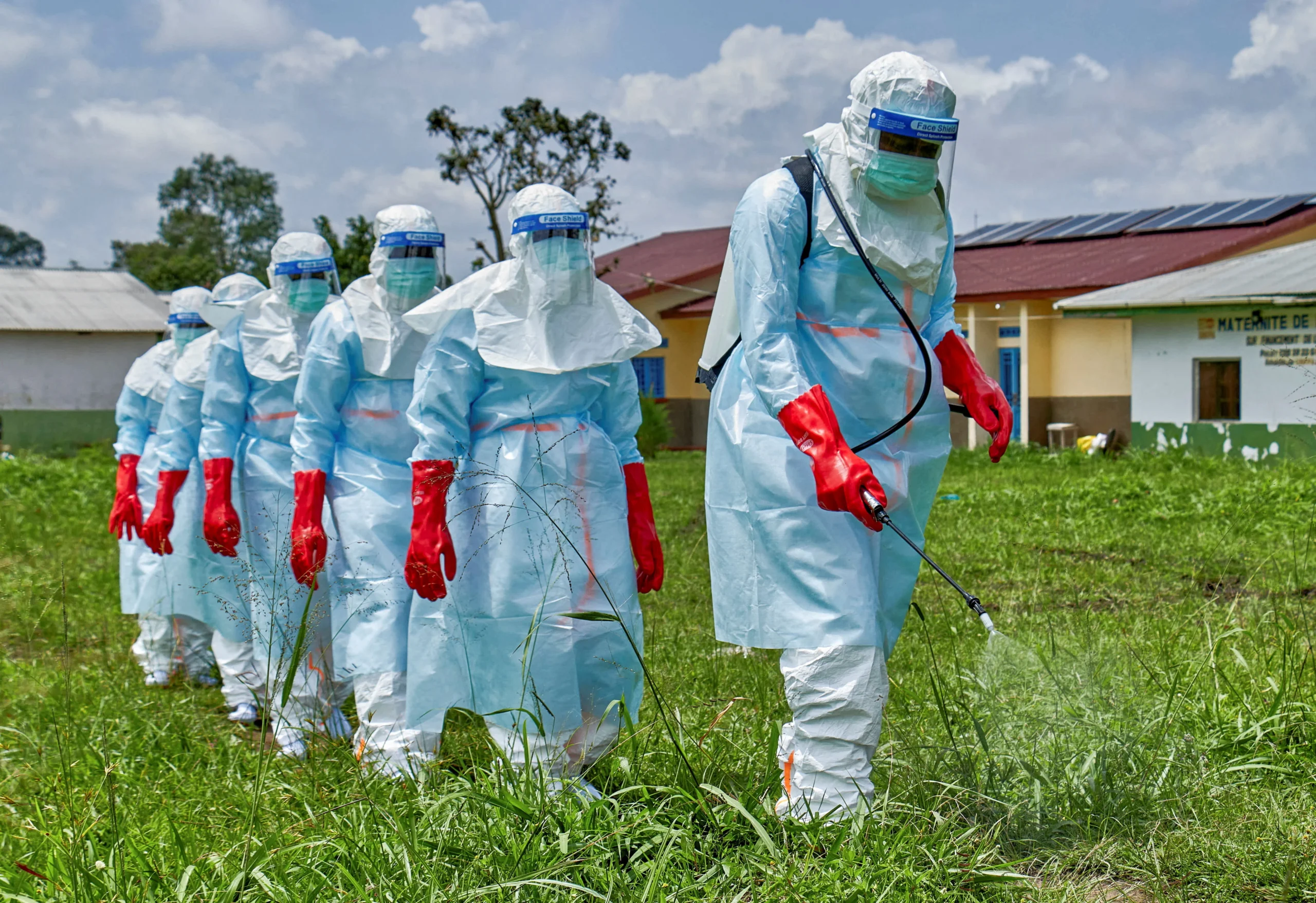
Today, however, that optimism has been overshadowed by the Ebola outbreak and the international reaction that followed.
The impact has extended beyond government restrictions. Flight disruptions, reduced travel confidence and heightened caution among international visitors threaten to undermine months of tourism marketing efforts. Tour operators say prospective visitors are increasingly seeking reassurance, while some travelers are reconsidering itineraries planned months in advance.
Yet Uganda’s experience raises a difficult question: Why do tourism shocks appear to hit Uganda harder than some of its neighbours?
Rwanda and Tanzania, both of which share borders with the Democratic Republic of Congo and have historically faced similar regional health concerns, continue to attract visitors during the peak summer travel season. Kenya’s tourism sector also remains largely insulated from the fallout.
While transparency during health emergencies is essential, some industry players believe government agencies responsible for health, tourism and foreign affairs should work more closely to ensure outbreak announcements are accompanied by clear information about containment measures, affected locations and the continued safety of major tourism destinations.
A single confirmed case can generate headlines across the world within hours. Yet the country’s national parks remain open, tourism infrastructure continues to operate, and many attractions are located hundreds of kilometres from affected areas. Without proactive communication, however, international audiences may struggle to distinguish between isolated outbreaks and nationwide risk.

The question now is whether Uganda can reassure the world quickly enough to protect the tourism gains it has worked so hard to achieve, or whether Ebola will once again prove that in tourism, perception can be as damaging as the crisis itself.